
Shipping electronics can be incredibly confusing. Whether you are selling an old iPhone on eBay, returning a defective laptop, or fulfilling orders for your tech startup, shipping lithium batteries involves navigating a maze of federal regulations.
Why Are Lithium Batteries So Heavily Regulated?
Lithium batteries pack a massive amount of energy into a very small space. If they short-circuit, overheat, or are physically damaged during transit, they can experience "thermal runaway"—a chain reaction that leads to uncontrollable fires and explosions.
⚠️ Never Ship Damaged Batteries via Air
It is a federal crime to ship a damaged, defective, swollen, or recalled lithium battery via air transport. These must go via specialized ground freight using approved fire-containment packaging. Never drop a swollen battery in the mail!
Rule #1: Loose vs. Installed Batteries
The golden rule of shipping lithium batteries comes down to one simple question: Is the battery currently inside a device, or is it loose in the box?
- Installed in a Device: This is the easiest and safest way to ship. As long as the device is completely powered off (not asleep) and protected against accidental activation, it is significantly less restricted.
- Packed WITH Equipment: This means the battery is in the same box as the device, but not inserted into it (like a camera with a spare battery). These have stricter limits.
- Loose / Standalone Batteries: Standalone items like power banks, loose AA lithiums, or spare batteries are heavily restricted. They must be shipped via Ground Transportation ONLY domestically.

Rule #2: Used vs. New Electronics (The USPS Rule)
If you are shipping through the US Postal Service, you must pay very close attention to the condition of the electronics you are mailing.
New Electronics: If you are shipping a brand new device in its original, unopened packaging (or a certified refurbished device sent directly from the manufacturer), you are allowed to ship it via Air transportation (such as Priority Mail or Priority Mail Express).
Used Electronics: As of June 2022, the USPS strictly mandates that all used, damaged, or defective electronic devices containing lithium batteries must be shipped via Surface Transportation (Ground Advantage) ONLY. You cannot fly a used cell phone or laptop on an airplane through USPS due to the increased risk of battery degradation and thermal runaway.
Rule #3: The Hazmat Labels
Depending on the size and quantity of batteries you are shipping, you may be required to apply the official UN3480 or UN3481 Lithium Battery mark to the outside of your box.
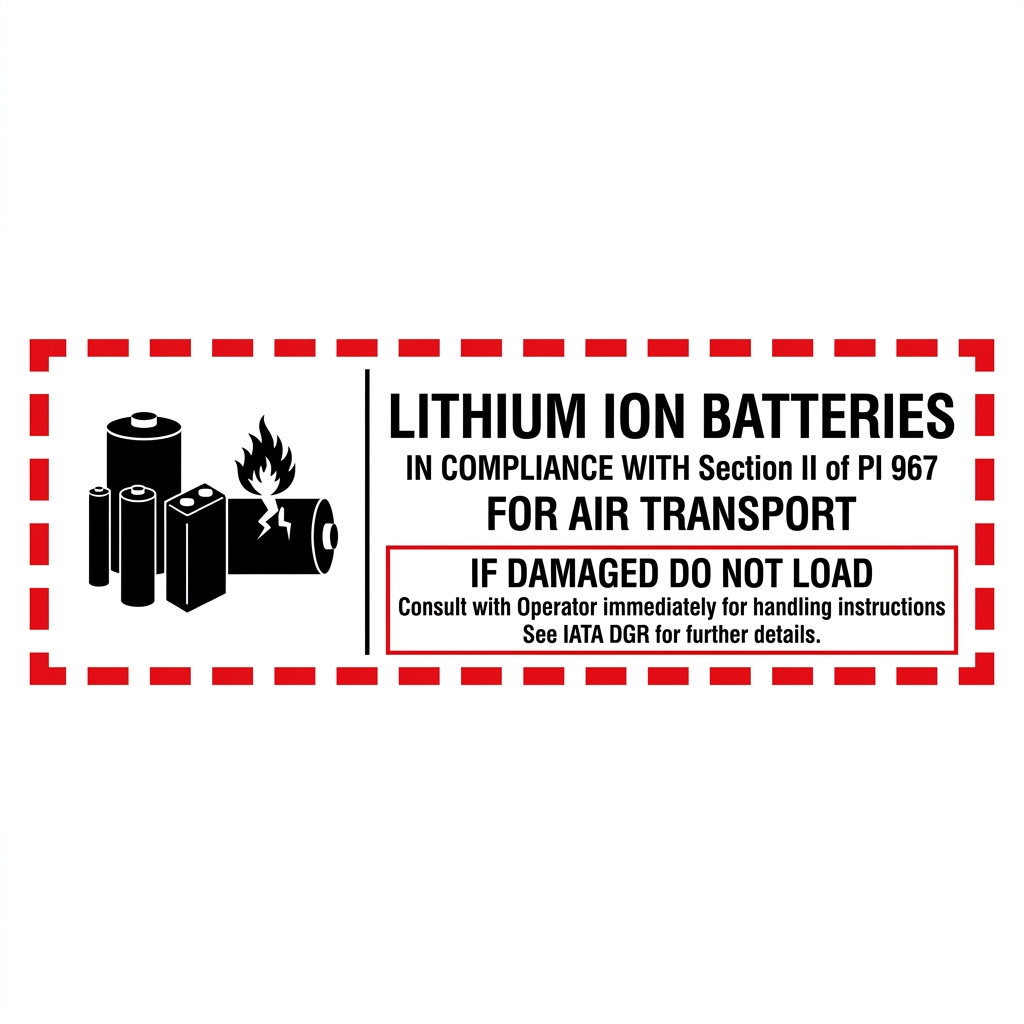
The Lithium Battery Mark
If your package requires this specific hazmat diamond label on the outside of the box, it must be shipped via Ground transportation. Airlines will reject and seize consumer packages bearing this sticker if attempted to be shipped via air.
Comparing the Shipping Carriers: Who Should You Use?
Not all carriers treat dangerous goods exactly the same. Here is a breakdown of how the major carriers handle lithium battery shipments so you can choose the right service.

- USPS (United States Postal Service): Generally the easiest and cheapest option for everyday consumers shipping a single phone or laptop. USPS Ground Advantage is the safest bet for any electronic device, as it bypasses the strict air regulations and allows both new and used items.
- UPS (United Parcel Service): UPS strictly enforces IATA and DOT regulations. If you are shipping loose batteries or large quantities, you will likely need a special Dangerous Goods contract and specific UN testing certifications. However, shipping a single laptop via UPS Ground is perfectly fine without special paperwork.
- FedEx: Similar to UPS, FedEx treats standalone batteries as Class 9 Hazmat. They require strict labeling and sometimes an additional Dangerous Goods surcharge. If your battery exceeds 100 Watt-hours (like an e-bike battery), FedEx is often the best choice, provided you use their specialized freight services.
- DHL: DHL is primarily an international air carrier, which makes them the most restrictive. They explicitly prohibit standalone lithium batteries without prior written approval and a massive amount of compliance paperwork.
5 Pro-Tips for Shipping Electronics Like a Pro
Don't let your package get seized or delayed. Follow this checklist before dropping off your box.

- Power it Down: Ensure the device is completely turned off, not just in "Sleep" or "Standby" mode. This prevents the battery from discharging and overheating in transit.
- Tape the Terminals: If you are forced to ship loose batteries (via ground only), use electrical tape to cover the metal contacts. This prevents accidental short-circuiting if they rub against each other.
- Use Void Fill: The device should not shift when you shake the box. Pack it tightly with bubble wrap or packing peanuts.
- Avoid Poly Mailers: Never ship anything containing a lithium battery in a soft plastic mailer. Always use a rigid, sturdy corrugated cardboard box to protect the battery from crushing impacts.
- Check the Watt-Hours: Look at the fine print on the battery. If it is over 100Wh (Watt-hours), you cannot use standard consumer shipping options and must consult a hazmat shipping specialist.
Conclusion: When in Doubt, Ship Ground
Shipping lithium batteries doesn't have to be intimidating, but it does require attention to detail. Remember that the vast majority of shipping disasters occur when batteries are improperly packed or illegally loaded onto airplanes.
💡 The Ultimate Rule of Thumb
If you are ever confused or unsure about whether your battery is safe to fly, simply choose USPS Ground Advantage or UPS/FedEx Ground. By keeping the package on a truck rather than an airplane, you avoid the strictest federal regulations and ensure your package arrives safely.
For more specific rules on individual items, don't forget to use the Can I Ship It Tool on our homepage!